
TMJ Treatment Hillsboro
Finally, Find Relief from Jaw Pain!
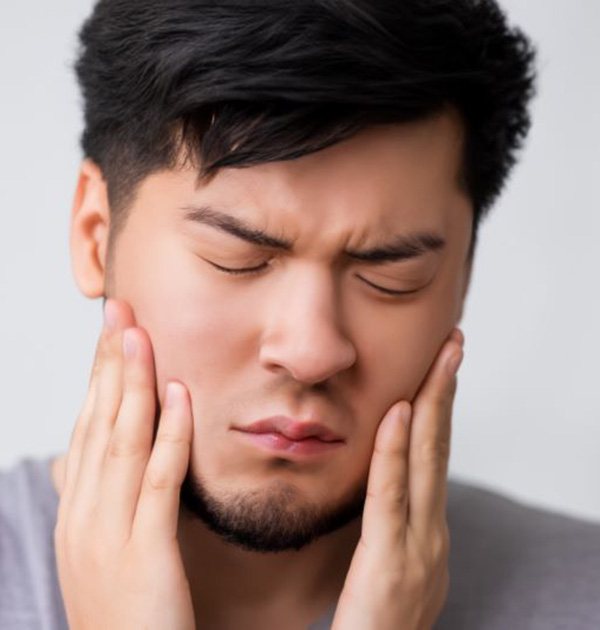
Do you often struggle with jaw pain, headaches, difficulty chewing, or related symptoms? It is possible that you have a condition known as TMJ disorder (TMD). Our Hillsboro dental team wants to help! After we evaluate your case, we can recommend a treatment that is likely to bring powerful relief and help you get back to enjoying your life. Get in touch with us today to request a consultation.
Why Choose Wolfe Dental Hillsboro for TMJ Treatment?
- Effective, Non-Invasive Treatment Options
- BOTOX Injections for Fast Pain Relief
- Friendly & Welcoming Dental Team
What Is TMJ Disorder?
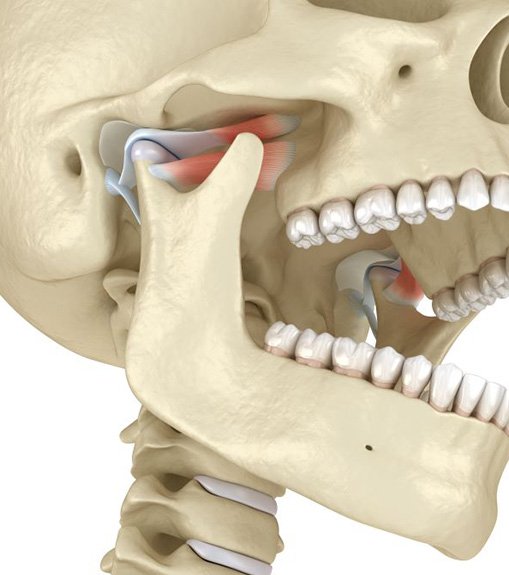
You have two temporomandibular joints (TMJs), which are located just in front of your ears. They control movements of your lower jaw. When these joints suffer damage or become inflamed, TMD can be the result. (TMD is sometimes referred to simply as TMJ, but technically, TMJ is part of your body, whereas TMD is a medical condition.) TMD can have man causes, such as stress, injuries, arthritis, improper bite alignment, and more.
Symptoms of TMJ Disorder

TMD can cause dozens of symptoms, but the most common include:
- Jaw pain or tenderness, especially near the ears
- Frequent headaches or migraines
- Difficulty chewing or biting
- Clicking, popping, or grating sounds when opening or closing the mouth
- Locking of the jaw joint or limited jaw mobility
- Facial pain or discomfort
- Earaches or ringing in the ears (tinnitus)
- Swelling on the side of the face
- Reduced ability to open the mouth wide
- Pain in the neck, shoulders, and back
Types of TMJ Treatment
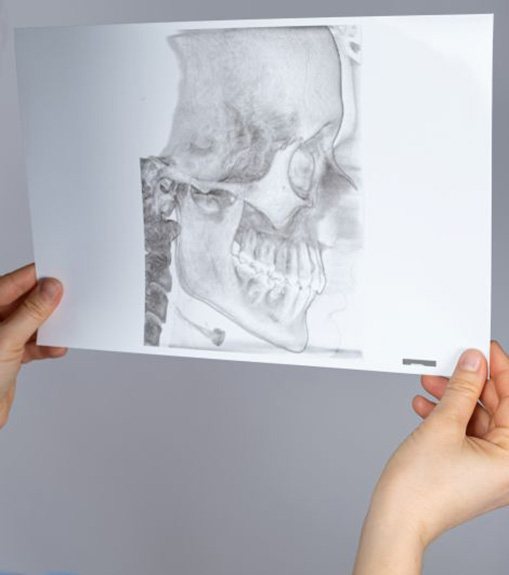
There are quite a few different ways to treat TMJ disorder. You may be able to find temporary relief via at-home care, which may involve heat/ice therapy, pain medications, and dietary modifications. For longer-lasting relief, you may need professional care. After we perform a thorough examination, we will have a better understanding of your symptoms and what might be causing them. Then, we may suggest that you get one of the following treatments:
Occlusal Splint
An occlusal splint is a custom oral orthotic that prevents teeth grinding (a common cause of TMD). It can also slightly reposition your lower jaw in a way that helps it and the surrounding muscles to relax. Consistent use of an occlusal splint has the potential to provide long-lasting relief from TMD symptoms.
Equilibration/Occlusal Adjustment
TMD is sometimes caused by minor discrepancies in the way the upper and lower teeth fit together. We may make some slight modifications to your teeth and/or dental restorations in order to improve the harmony of your bite. In turn, this may quickly and powerfully free you from your TMD.
BOTOX for TMJ Treatment

While many associate BOTOX with cosmetic treatments designed to address motion-related wrinkles, this method can also be used to address TMJ problems by temporarily restricting the movement of the overworked muscles in the jaw. This will reduce the strain placed on the TMJ and may help minimize issues like teeth grinding and headaches. Here’s a quick look at how BOTOX works and how the team at Wolfe Dental can use it to help restore comfort to your jaw.
What Is BOTOX?
BOTOX uses diluted does of botulinum toxin to temporarily paralyze muscles. While this can be used to flatten unsightly wrinkles, it is also effective for relieving the strain TMJ disorder places on your jaw muscles. Results of the treatment usually take five to ten days to fully manifest and can last for three or four months. BOTOX injections can often be completed in a twenty-minute appointment, so it can be a fast and easy way to regularly address chronic TMJ disorder.
Before recommending BOTOX as a TMJ treatment, our dentist will carefully investigate your symptoms and evaluate your medical history to make sure you can receive the treatment safely and effectively. After you receive the treatment, you can immediately resume your normal daily activities, which makes it great for those with busy schedules.
Who Is a Good Candidate for BOTOX for TMJ Treatment?
BOTOX can address a range of symptoms associated with TMJ disorder such as:
- Jaw pain and tenderness
- Lockjaw
- Popping or clicking sounds caused by the jaw moving
- Persistent earaches or ringing in the ear (tinnitus)
- Back and neck pain
- Discomfort when chewing
- Limited jaw movement
- Alteration of the bite
- Pain behind the eyes
BOTOX can be especially beneficial for those who experience bruxism, muscle spasms, and facial pain due to overworked muscles. However, this method only provides temporary pain relief and does not address the underlying causes of TMJ disorder, so some patients may be served better with another treatment.
How Can BOTOX Treat TMJ Disorder?
BOTOX injections can treat TMJ pain by forcing the muscles controlling the jaw joints to relax, reducing the strain and discomfort they experience. A 2012 study found this treatment to be significantly effective at decreasing pain associated with mouth movement for three months, and another study found that it improved the TMJ symptoms of 90% of participants. BOTOX can also help TMJ patients sleep better, reduce their headaches, and minimize the problems caused by bruxism.
TMJ Treatment FAQs
Is TMJ Treatment Covered by Insurance?
Although insurance companies do not typically include TMJ coverage, there are some exceptions. So, it’s worth reading through the fine print on your plan. Since our team at Wolfe Dental is in-network with Delta Dental and several other providers, we can help you understand your coverage and utilize any available benefits you have.
Important note: Dental insurance isn’t the only way to make the cost of the care you need more affordable. For instance, CareCredit, a trusted third-party financier, allows you to break up the price of your treatment plan into smaller, more manageable chunks that fit comfortably within your budget.
Can TMJ Be Fixed with Braces?
It’s possible! For example, if the root of the problem is that the upper and lower jaws aren’t aligned properly, then braces may be the best option. Rest assured, your dentist in Hillsboro will discuss all of the treatments we offer following the exam. They will also answer any questions you have and share their recommendations so you feel confident moving forward.
How Long Does TMJ Treatment Take?
The length of TMJ treatment in Hillsboro can vary greatly. For instance, many patients who choose BOTOX® experience relief within a matter of days. Braces, on the other hand, can take 12+ months to correct overbites, underbites, crossbites, and open bites. The good news is that – even if your treatment plan is on the longer end – at-home jaw exercises can help provide temporary relief in the meantime.
Can TMJ Be Cured Permanently?
The short answer is “yes.” In fact, both occlusal splints and equilibration/occlusal adjustments can bring long-lasting relief. Even the ones that aren’t permanent, like BOTOX®, can be used in tandem with the previously mentioned treatments to restore your healthy, pain-free smile in the short and long term!
How Do I Know If I Need TMJ Treatment?
During your biannual dental exams, we will look for common warning signs, including a popping sound when you open and close your mouth. Of course, it’s important to keep an eye out for common symptoms between visits as well. That includes chronic jaw pain, frequent headaches, and swelling on one side of your face. If one or more of these arise, then call us ASAP to schedule a consultation.
Does BOTOX® Hurt?
Like many other patients, you may be a bit hesitant to get BOTOX® due to fear of pain. Fortunately, it doesn’t hurt too badly, especially with numbing cream. Many describe it as a slight sting, similar to acupuncture. Plus, we will provide you with aftercare instructions to help you stay comfortable in the hours immediately following your appointment.