
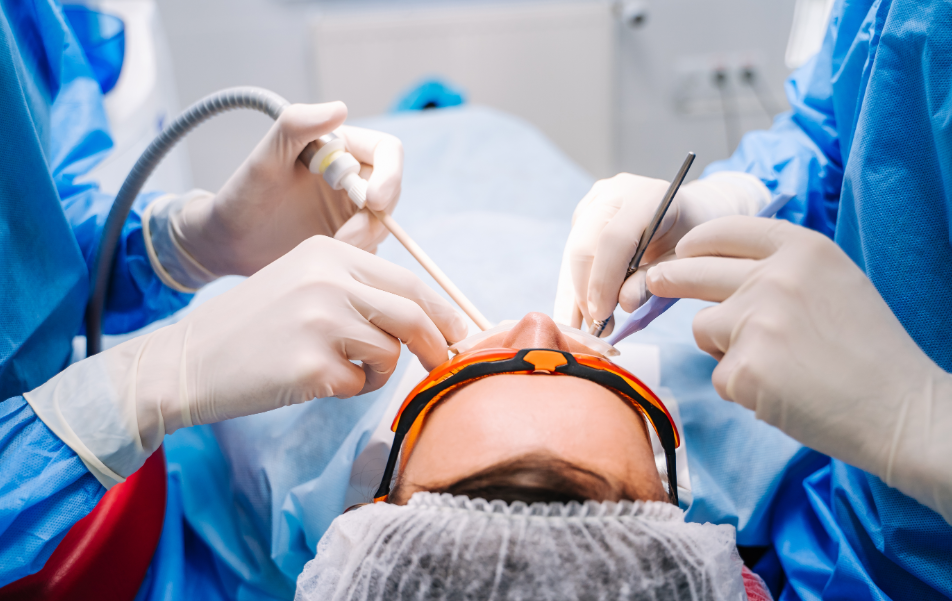
Getting dental implants is a big step toward restoring your smile, but it’s completely normal to have questions about what happens after surgery. How much discomfort should you expect? What can you eat? When can you brush your teeth normally again?
Knowing what to expect can make the recovery process feel a lot less intimidating. While your dentist will give you specific instructions based on your procedure, here are some common questions patients have after dental implant surgery.
Is It Normal to Have Pain After Implant Surgery?
Some discomfort after dental implant surgery is normal. You may also experience swelling or bruising around the surgical area. These symptoms often improve as you heal.
Your dental team may recommend or prescribe medication to help manage discomfort. Follow their instructions carefully, and let them know if your pain is severe, isn’t improving, or suddenly gets worse.
How Long Will My Mouth Be Swollen?
Swelling is a common part of the healing process. It may become more noticeable during the first couple of days before gradually improving. Using an ice pack as directed during the initial recovery period can help manage swelling.
Don’t be alarmed if your face looks a little puffier than usual immediately after surgery. Your dentist can tell you what level of swelling is expected for your particular procedure.
What Can I Eat After Surgery?
Soft foods are generally the way to go immediately after implant surgery. Yogurt, applesauce, mashed potatoes, scrambled eggs, oatmeal, smoothies, and other foods that don’t require much chewing can make mealtimes easier while your mouth heals.
You’ll also want to avoid putting unnecessary pressure on the implant area. Hard, crunchy, sticky, or chewy foods may need to stay off the menu temporarily. Your dentist will let you know when it’s safe to start returning to your normal diet.
Can I Brush My Teeth?
Keeping your mouth clean is an important part of recovery, but you’ll need to be gentle around the surgical site. Depending on your procedure and your dentist’s instructions, you may be able to brush the rest of your teeth while avoiding direct contact with the healing area initially.
You may also be instructed to use a specific rinse or warm saltwater rinses during the healing process. Don’t scrub, poke, or otherwise disturb the surgical site.
When Can I Exercise Again?
You may need to take it easy for a few days after surgery. Strenuous activity can sometimes increase bleeding or throbbing, so your dentist may recommend temporarily avoiding heavy lifting and vigorous exercise.
Your recovery timeline will depend on the extent of your procedure and how you’re healing, so follow the activity guidelines your dental team provides.
When Should I Call My Dentist?
Some bleeding, swelling, and discomfort can be expected, but certain symptoms deserve a call to your dental team. Contact your dentist if you experience significant or persistent bleeding, severe or worsening pain, fever, unusual swelling, or other symptoms that concern you.
It’s always better to ask about something you’re unsure of than to spend your recovery wondering whether it’s normal.
Don’t Skip Your Follow-Up Visits
Healing doesn’t end when you leave the dental office. Follow-up appointments allow your dental team to check your progress and make sure the implant is healing properly. The implant may need several months to fully integrate with the surrounding bone before your final restoration is placed.
A little preparation and patience can make the recovery process much easier.
About the Practice
At Wolfe Dental, our team provides comprehensive dental care, including dental implant treatment for patients with missing teeth. We take a personalized approach to care and work with patients throughout the implant process, from treatment planning through recovery and ongoing oral health.
Call us at (503) 844-6550 or schedule your appointment online